How Does Physical Fitness Impact Upon Quality Of Life?

Physical health and exercise not only extend your life but also improve it. It can strengthen your heart and muscles, protect you from a variety of ailments, as well as enhance your mental and emotional health, your productivity, and personal connections.
Whatever your age, there is compelling scientific evidence that leading an active lifestyle can improve your health and happiness. Regular exercisers are less likely to suffer from chronic (long-term) diseases like heart disease, type 2 diabetes, stroke, and some malignancies.
Some ways in which exercise can
improve your quality of life.
1. Prevents depression
Researchers are aware that regular exercise has a significant positive impact on mood. Aerobics exercise reduces stress and promotes a sense of well-being by causing the production of hormones that improve mood. Additionally, practically all forms of exercise cause rhythmic muscle contractions that raise serotonin levels in the brain, which fights off negative emotions.
2. Enhances sleep
Regular aerobic exercise has three fundamental effects on sleep: it makes you fall asleep more quickly, spend more time in deep sleep, and causes you to wake up less at night. Since deep sleep is necessary for your body to replenish and repair itself, exercise is the only known strategy for healthy adults to increase the quantity of deep sleep they obtain.
3. Improves sex life
Aerobic exercise (moderate or vigorous) can increase libido and performance. According to the Harvard Health Professionals Follow-Up Study, men who exercised for 30 minutes daily had a 41 percent lower risk of erectile dysfunction than sedentary men. Women also benefit from exercise; in one research, 20 minutes of cycling increased women's sexual desire by 169%.
4. Sharpens the mind
Exercise increases blood flow to the brain, which may support the maintenance of brain function. Additionally, it encourages healthy lung function. It is a quality of those whose memories and mental sharpness remain sharp as they age. While all forms of exercise benefit mental sensitiveness, numerous studies have found that aerobic exercise, in particular, enhances cognitive performance.
5. Preserves mobility and vitality
Regular exercise helps reduce the aging process and natural reduction in physical ability. The maintenance of cardiovascular fitness, metabolism, and muscle function of the elderly are comparable to those of much younger people by sustaining an active lifestyle. And other studies have revealed that those who were athletic in their mid-age maintain mobility. Hence, their self-sufficiency as they age.
You can maintain excellent health and enhance your general quality of life by being aware of the advantages of physical fitness and understanding the appropriate level of activity.
Everyone should engage in physical activity and exercise. People of all ages, including kids, teenagers, and adults, need frequent physical activity. Regardless of your body type or BMI, physical activity promotes excellent health. Therefore, you should continue to be active throughout your entire life.
Body damage can result from a sedentary lifestyle and a lack of exercise. An increased risk for several chronic diseases, including cancer and mental health disorders, has a connection to physical inactivity. However, research has proven that exercise positively impacts mood and mental health.
The benefits of physical exercise for health are numerous. Strong muscles and bones are encouraged by regular exercise and physical activity. It raises cardiovascular, respiratory, and general health. Maintaining an active lifestyle can also help you lower your chances of developing some malignancies, type 2 diabetes, heart disease, and obesity.
In other words, staying active is essential for preserving fitness and excellent health.
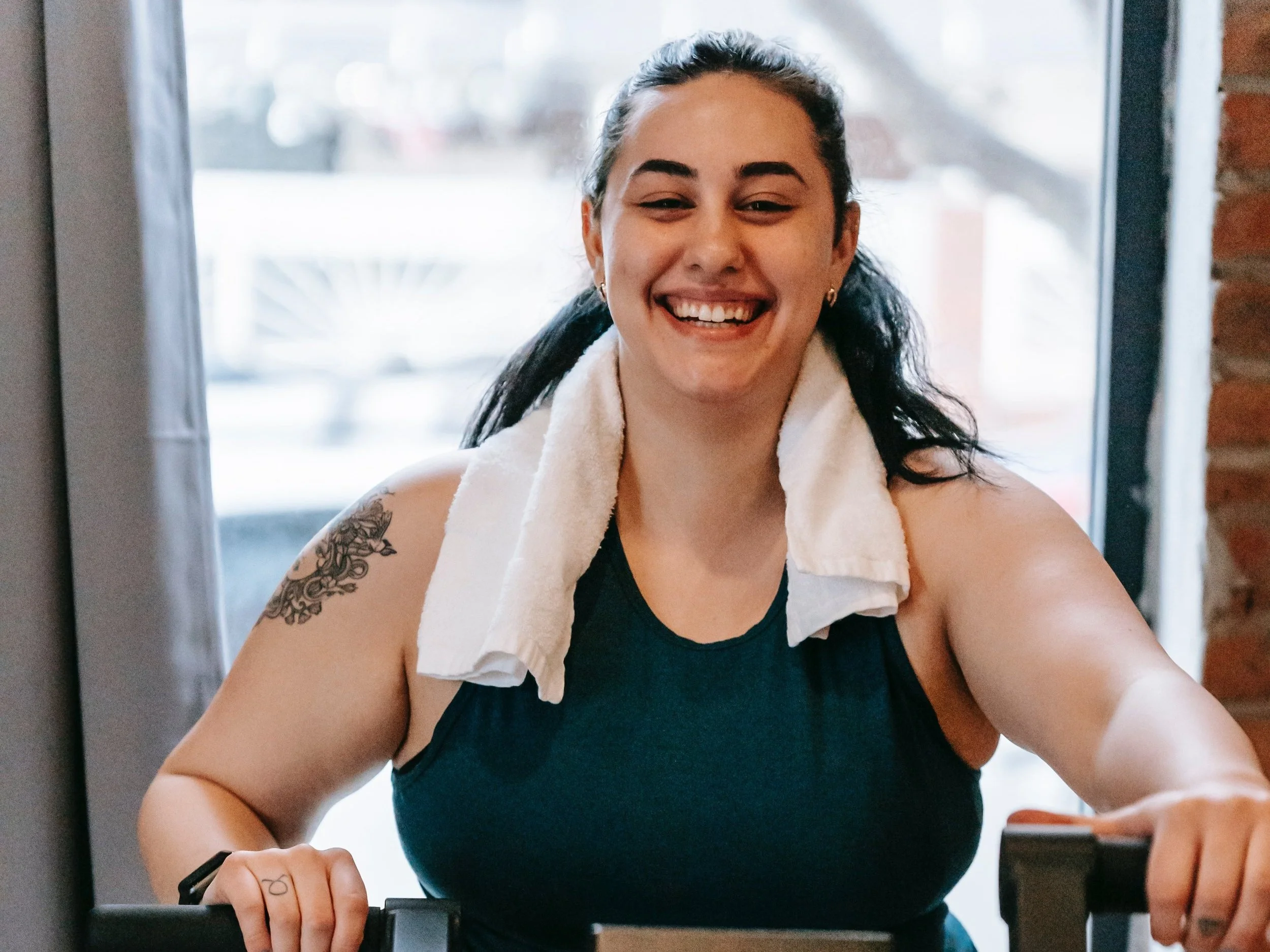
The overwhelming data makes it clear that we should all engage in physical activity. If you want to live a long, healthy life that you enjoy, it is necessary.
The risk of coronary heart disease, stroke, type 2 diabetes, colon cancer, breast cancer in women, early death, osteoarthritis, hip fractures, falls (among older persons), depression, and dementia are lower in people who engage in regular physical activity.
References
Posadzki, P., Pieper, D., Bajpai, R. et al. Exercise/physical activity and health outcomes: an overview of Cochrane systematic reviews. BMC Public Health 20, 1724 (2020). https://doi.org/10.1186/s12889-020-09855-3
Guo, X. Y. (2019). Study on the Influence of Physical Exercise on Quality of Life of
Elderly in Jinan Community. Master’s thesis. Shandong: Shandong University.